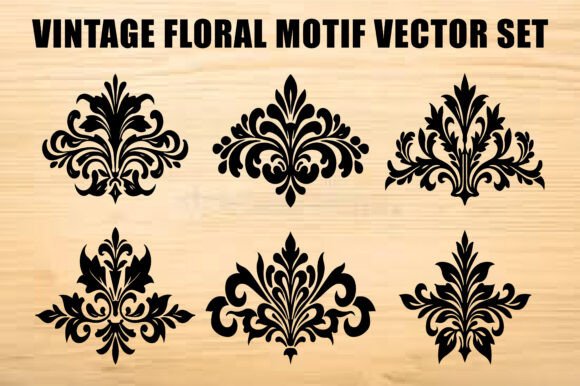
Vintage Ornamental Flower Vector Guide
In an era dominated by minimalist flat design and stark digital aesthetics, there is a profound and growing appetite for texture, history, and intricate detail. The Vintage Ornamental Flower Vector represents more than just a decorative element; it is a bridge to classical artistry that can elevate modern projects with a sense of timeless elegance. Whether you are a graphic designer looking to add depth to a brand identity, a hobbyist exploring laser cutting, or a small business owner creating unique home decor, these assets offer a versatile foundation for creative expression.
Understanding how to effectively utilize these vectors requires more than just dragging and dropping files into a canvas. It involves recognizing the structural beauty of ornamental art and applying it in ways that feel intentional and fresh. This guide explores the practical applications, technical benefits, and creative strategies for integrating vintage floral motifs into your workflow.
The Versatility of Digital Ornamentation
At its core, a vector file is a mathematical representation of an image, allowing it to be scaled infinitely without losing quality. When combined with the complex, swirling lines of vintage botanical illustrations, this format becomes incredibly powerful. A vintage Ornamental Flower Vector set typically includes formats like EPS, SVG, PNG, and JPG, ensuring compatibility across a vast range of software and hardware.
The inclusion of multiple file types is not merely a convenience; it is a necessity for professional workflows. For instance, EPS and SVG files are essential for vector-based editing in programs like Adobe Illustrator or CorelDRAW. These formats allow designers to manipulate individual paths, adjust line weights, and recolor elements to match specific brand palettes. On the other hand, high-resolution PNG and JPG files serve immediate needs for web design, social media graphics, or quick mockups where editing is not required.
This flexibility means that a single purchase or download can serve multiple departments within a creative studio. The marketing team can use the PNGs for email headers, while the product design team utilizes the SVGs for physical merchandise. This cross-functional utility makes high-quality vintage vectors a cost-effective resource for freelancers and agencies alike.
Transforming Spaces with Laser Cutting and Engraving
One of the most exciting developments in the maker community is the accessibility of laser cutting technology. Intricate laser cut floral designs have moved from industrial manufacturing to home workshops and small businesses. Vintage ornamental flowers, with their delicate petals and swirling vines, are ideally suited for this medium.
When working with wood, acrylic, metal, or leather, the precision of a vector file ensures clean cuts and smooth edges. A common application is the creation of decorative wall panels. By layering laser-cut wooden florals over contrasting backgrounds, artisans can create stunning three-dimensional home decor vector pieces that catch light and shadow dynamically. Similarly, acrylic cuts can be used for modern room dividers or elegant table centerpieces.
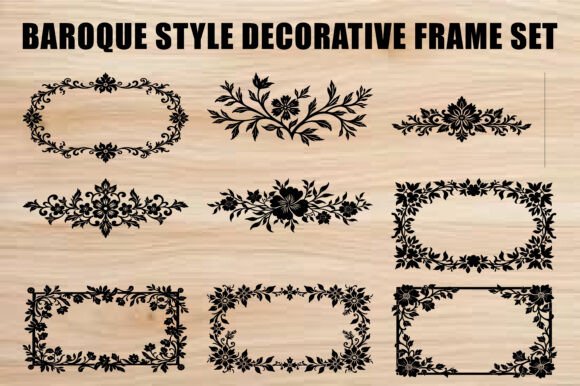
For those working with leather, these vectors can be engraved to create sophisticated journals, wallets, or bags. The arabesque design and damask vector styles often found in these sets provide a luxurious texture that appeals to high-end consumers. The key to success here is simplifying complex details where necessary to accommodate the material’s thickness, ensuring that the final product is both beautiful and durable.
Elevating Brand Identity and Logo Design
In branding, first impressions are critical. A vintage floral motif can instantly communicate values such as heritage, quality, and attention to detail. This makes it an excellent choice for boutique hotels, artisanal bakeries, luxury skincare lines, and wedding planners. Unlike generic clip art, a well-curated ornament vector allows for customization that aligns perfectly with a brand’s voice.
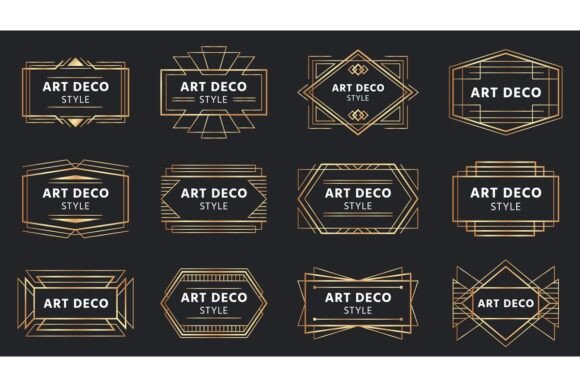
Consider the use of black floral silhouettes for a monochromatic, high-contrast logo. This approach works particularly well for fashion labels seeking a bold yet elegant aesthetic. Alternatively, incorporating art deco flower elements can suggest a sense of glamour and sophistication from the 1920s, appealing to audiences interested in retro luxury.
When designing logos, it is crucial to maintain clarity at small sizes. Complex mandala style or ethnic pattern details may become muddy when reduced to the size of a favicon or social media profile picture. Designers should test their vectors at various scales, removing unnecessary nodes or simplifying inner details to ensure the floral motif remains recognizable and impactful across all platforms.
Textile and Fashion Applications
The fashion industry has long drawn inspiration from nature, and vintage ornament designs are no exception. These vectors are invaluable for textile design, whether for screen printing, sublimation, or embroidery. A folk art flower or traditional floral pattern can be repeated to create seamless fabrics for clothing, upholstery, or accessories.
For screen printing, the vector format allows for easy separation of colors. Designers can isolate specific layers of the decorative vector to create multi-layered prints with rich depth. Embroidery machines also benefit from clean vector paths, which can be converted into stitch files with minimal manual cleanup. This reduces production time and ensures consistent quality across large batches.
Trend-wise, there is a significant movement towards boho ornament and indian floral influences. These styles resonate with consumers seeking authentic, culturally rich aesthetics. By adapting middle eastern art or arabic pattern elements into contemporary cuts and colors, designers can create pieces that feel both global and modern.
Paper Crafts and Personal Projects
Beyond commercial applications, these vectors are a treasure trove for hobbyists engaged in scrapbooking, journaling, and card making. The floral stencil and stencil pattern capabilities allow users to trace intricate designs onto paper, adding a handmade touch to personal projects. Digital planners also benefit from vector embellishment packs, where users can drag and drop vintage elements into their layouts.
For educators and parents, these designs can be used to create coloring pages or educational materials about botany and art history. The classic pattern structures provide a relaxing activity for adults seeking mindfulness through coloring, while also serving as a tool for teaching symmetry and geometry to children.
Best Practices for Implementation
To get the most out of your Vintage Ornamental Flower Vector collection, consider the following best practices:
- Maintain Consistency: When using multiple elements in a single design, ensure they share a similar line weight and style. Mixing overly thick lines with hairline details can create visual discord.
- Respect Negative Space: Ornate designs can easily become cluttered. Allow enough breathing room around your floral decor to let the intricacy shine without overwhelming the viewer.
- Experiment with Color: While many vintage vectors are presented in black and white, do not hesitate to experiment with muted pastels, earth tones, or metallic gradients to give them a contemporary twist.
- Check Licensing: Always verify the usage rights associated with your files, especially for commercial projects. Most premium sets allow for broad commercial use, but it is essential to confirm restrictions on resale or redistribution.
Ultimately, the value of a vintage silhouette or luxury motif lies in its ability to tell a story. By thoughtfully integrating these craft design assets into your work, you connect with a lineage of artistic tradition while pushing the boundaries of modern creativity. Whether you are cutting leather, printing fabric, or designing a logo, these vectors provide the tools to create something truly memorable.