Ornate Vintage Frame Collection: Design Guide
There is a distinct difference between a design that simply holds content and one that elevates it. The Ornate Vintage Frame Collection falls squarely into the latter category. These are not merely borders; they are architectural elements for your layout, providing structure, elegance, and a touch of historical gravitas to any project they touch. Whether you are a seasoned graphic designer looking to refine a luxury brand identity or a small business owner creating wedding invitations, understanding how to leverage these decorative assets can significantly impact the perceived value of your work.
This collection captures the essence of baroque and rococo aesthetics, translating complex engraving styles into usable, scalable digital assets. By combining intricate scrollwork with clean vector precision, these frames offer a bridge between antique charm and modern usability. They serve as powerful tools for guiding the viewer’s eye, creating focal points, and establishing a tone of sophistication without overwhelming the core message.
Visual Characteristics and Aesthetic Appeal
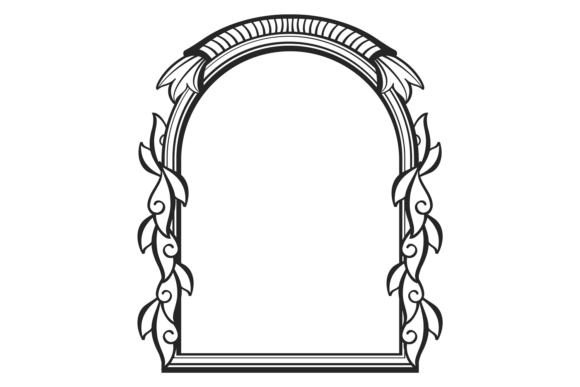
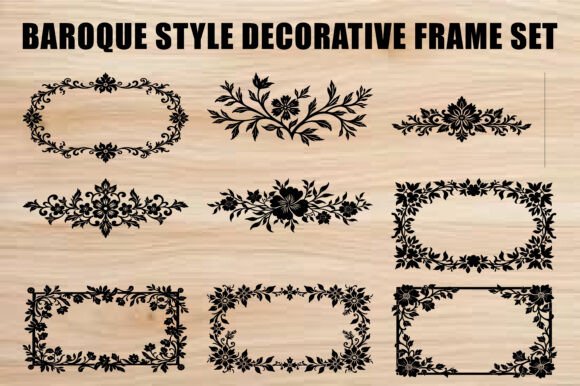
The visual language of the Ornate Vintage Frame Collection is rooted in tradition. Each piece features detailed filigree, floral ornaments, and symmetrical scroll designs that evoke the feeling of Victorian-era printing presses and hand-engraved plates. The black vector lines provide high contrast, making them versatile against various backgrounds, from crisp white paper to textured, aged parchment.
What sets this collection apart is its balance between complexity and clarity. While the designs are undeniably detailed, they maintain enough negative space to ensure that the content within the frame remains legible. This is crucial for functional design. A frame that is too busy can compete with the text, but these ornate borders are designed to complement typography rather than distract from it. The aesthetic is timeless, leaning heavily into classic ornamentation that suggests quality, heritage, and attention to detail.
For designers, this means the collection acts as a ready-made style anchor. You do not need to spend hours drawing custom flourishes or searching for disparate clipart elements that do not quite match. The consistency across the nine unique designs ensures that whether you are creating a suite of wedding stationery or a series of event flyers, your visual language remains cohesive. This consistency is a cornerstone of strong brand identity, allowing audiences to recognize your work instantly.
Versatile Applications Across Creative Projects
The utility of the Ornate Vintage Frame Collection extends far beyond simple decoration. Because the files are provided in multiple formats—including EPS, SVG, PNG, and JPG—they integrate seamlessly into both print and digital workflows. Here is how these assets can be applied across various professional contexts:
- Wedding and Event Stationery: This is perhaps the most natural fit. The elegant border styles are perfect for framing invitation details, menu cards, and place settings. The vintage flourish adds a romantic, formal tone that resonates with couples seeking a classic or rustic-chic aesthetic.
- Luxury Packaging and Labels: For artisanal products such as candles, soaps, or gourmet foods, these frames can transform a simple label into a premium package. Using the silhouette frame or damask frame around a logo or product name signals high quality and craftsmanship.
- Editorial and Publishing: In magazine layouts or book covers, these frames can be used to highlight quotes, separate chapters, or frame author portraits. The engraving style complements serif fonts beautifully, enhancing the literary feel of the publication.
- Digital Marketing and Social Media: While often associated with print, these vectors work exceptionally well in digital spaces. Use them to frame special announcements, testimonials, or featured products on social media graphics. The high-resolution PNGs ensure crisp edges on screens, while the SVGs allow for infinite scaling without pixelation.
- Café and Restaurant Menus: A menu is a sales tool, and presentation matters. Framing specific sections or daily specials with a retro frame draws the eye and can subtly influence purchasing decisions by highlighting high-margin items.
The key to successful application is context. These frames thrive in environments where elegance and tradition are valued. They may feel out of place in a ultra-modern, minimalist tech startup’s branding, but they are indispensable for businesses relying on heritage, luxury, or artisanal appeal.
Enhancing Brand Perception and Visual Hierarchy
Design is not just about aesthetics; it is about communication. The Ornate Vintage Frame Collection plays a pivotal role in establishing visual hierarchy. By enclosing specific elements—such as a headline, a logo, or a call-to-action—you signal to the viewer that this information is important. The frame acts as a visual container, isolating the content from the surrounding noise and demanding attention.
This influences brand perception significantly. Consumers often associate ornate, detailed design with higher value and exclusivity. When a brand utilizes these types of decorative elements consistently, it cultivates an image of professionalism and care. It suggests that the brand invests in quality, which can justify higher price points and foster deeper customer loyalty. In contrast, poorly chosen or generic clipart can undermine credibility. Using high-quality, cohesive assets like this collection reinforces a polished, professional image.
Furthermore, these frames aid in readability and organization. In dense layouts, such as event programs or detailed menus, breaking up text blocks with decorative dividers or framed sections makes the information more digestible. It creates breathing room for the eye, reducing cognitive load and improving the overall user experience. This is particularly important in editorial design, where maintaining reader engagement over long periods is essential.
Practical Guidance for Implementation
To get the most out of the Ornate Vintage Frame Collection, consider the following practical steps during your design process:
- Evaluate Project Fit: Before selecting a frame, assess the tone of your project. Does it require the heavy drama of a gothic frame or the lighter touch of a floral frame? Match the intensity of the ornamentation to the seriousness of the content.
- Test Font Pairings: These frames pair exceptionally well with serif fonts, which share their classical roots. However, for a modern twist, try pairing them with clean sans serif fonts. The contrast between the ornate frame and the minimal type can create a striking, contemporary look. Avoid using overly decorative script fonts inside already busy frames, as this can reduce legibility.
- Check Licensing and Formats: The collection includes commercial-use rights, making it safe for client work and product sales. Ensure you are using the correct file format for your medium. Use EPS or SVG for print and scalable web elements to maintain sharpness. Use PNG for quick digital mockups or social media posts where transparency is needed.
- Maintain Balance: Do not overcrowd your design. If you use a detailed frame, keep the surrounding layout clean. Let the frame be the star. Too many competing decorative elements can create visual clutter and diminish the impact of each individual piece.
In conclusion, the Ornate Vintage Frame Collection is more than a set of digital assets; it is a toolkit for elevating design. By understanding its visual characteristics, applying it strategically across various mediums, and respecting its role in visual hierarchy, you can create work that is not only beautiful but also effective. Whether you are crafting a single invitation or building a comprehensive brand identity, these frames provide the structural elegance needed to make a lasting impression.