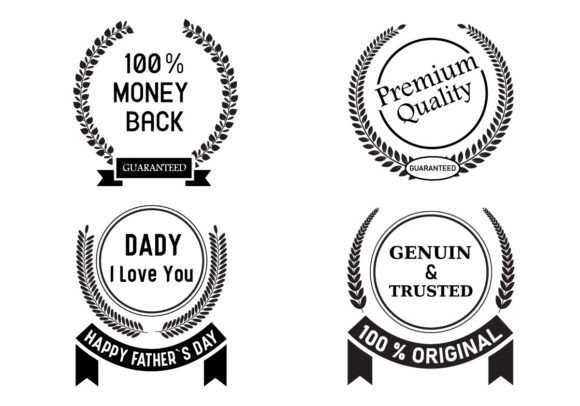
Elevating Design with the Stylish Curved Laurel Wreath: A Guide to Elegant Vector Graphics
In the realm of graphic design, few symbols carry as much historical weight and aesthetic versatility as the laurel wreath. For centuries, this circular arrangement of leaves has represented victory, honor, and achievement. Today, digital designers and creative professionals rely on high-quality assets to bring these classical motifs into modern projects. Among the most sought-after resources is the Stylish Curved Laurel Wreath with Leaves, a vector illustration that bridges the gap between vintage tradition and contemporary minimalism.
Whether you are crafting a wedding invitation, designing a corporate award, or creating a festive holiday card, understanding how to effectively utilize these botanical elements can significantly enhance the visual impact of your work. This guide explores the characteristics, applications, and practical benefits of using curved laurel wreaths in your design workflow.
The Enduring Appeal of Botanical Symbolism
The laurel wreath is more than just a decorative element; it is a powerful semiotic tool. Rooted in ancient Greek and Roman traditions, the laurel was awarded to victors in athletic competitions and poetic meets. This association with success and recognition persists today. When a viewer sees a laurel motif, they subconsciously associate the surrounding content with quality, prestige, and celebration.
However, the modern interpretation of this symbol has evolved. While traditional depictions were often rigid and symmetrical, current design trends favor organic, flowing lines. The Stylish Curved Laurel Wreath with Leaves and Branches offers a dynamic alternative to the static circle. By introducing a curve or a semi-circular arrangement, designers can create compositions that feel more natural and less constrained. This "lush foliage" approach mimics the irregular beauty found in nature, making the design feel alive rather than manufactured.
Versatility Across Industries
One of the primary reasons designers gravitate toward vector-based laurel illustrations is their incredible adaptability. These assets are not limited to a single niche. Consider the following sectors where these graphics thrive:
- Wedding and Event Stationery: The elegance of floral patterns makes them ideal for invitations. A curved wreath can frame the names of the couple, adding a touch of romantic sophistication without overwhelming the text.
- Corporate Branding: Companies often use laurel insignias to denote awards, certifications, or years of service. The clean lines of a vector outline ensure that the logo remains crisp whether printed on a business card or displayed on a large banner.
- Holiday Decorations: During the winter season, the laurel transforms into a Christmas decoration. When paired with berries or pine twigs, it evokes warmth and tradition, perfect for greeting cards and seasonal packaging.
- Educational and Athletic Awards: From diploma covers to trophy engravings, the laurel remains the universal symbol of academic and athletic achievement.
Why Choose Vector EPS Files?
When sourcing design assets, the file format is just as critical as the artistic style. The Stylish Curved Laurel Wreath with Leaves is typically distributed as an EPS (Encapsulated PostScript) file. For designers, this format is invaluable. Unlike raster images (such as JPEGs or PNGs), vector files are resolution-independent. This means you can scale the illustration from the size of a postage stamp to the side of a building without any loss of quality or pixelation.
This scalability is essential for professional workflows. A designer might start with a small icon for a website header but later need the same asset for a large-format print advertisement. With an EPS file, the organic curves and intricate details of the leaves remain sharp and defined at any size. Furthermore, vector files allow for easy customization. You can change the color palette to match specific brand guidelines, adjust the stroke width for a bolder look, or simplify the design for a more minimalist aesthetic.
Design Characteristics to Look For
Not all laurel wreaths are created equal. When selecting a Stylish Curved Laurel Wreath with Leaves and Branches, consider these key attributes:
- Line Quality: Look for smooth, continuous paths. Jagged or uneven lines can make a design look amateurish. High-quality vectors will have clean anchor points that facilitate easy editing.
- Balance and Symmetry: Even in a curved or asymmetrical design, there should be a visual balance. The weight of the leaves on one side should complement the other, ensuring the composition feels stable.
- Detail Level: Some designs feature intricate vein details on each leaf, while others opt for a simple silhouette. Choose based on your project's needs. Intricate designs work well for large prints, while simpler outlines are better for small-scale applications like favicons or mobile app icons.
- Vintage vs. Modern Style: Decide if you want a retro style with textured brushes or a sleek, modern flat design. The "vintage" look often includes slight imperfections to mimic hand-drawn art, adding character and warmth.
Integrating Laurels into Modern Layouts
Using a laurel wreath effectively requires more than just dropping it onto a canvas. It must interact harmoniously with typography and other design elements. Here are some practical strategies for integration:
Framing Text: The most common use is framing. A curved wreath can cradle a headline or a date. Ensure there is adequate padding between the leaves and the text to maintain readability. The negative space within the curve is just as important as the foliage itself.
Creating Borders: For certificates or formal documents, a full circular wreath can act as a border. However, to avoid a cluttered look, consider using a Stylish Curved Laurel Wreath with Leaves that only occupies the corners or the top and bottom edges. This creates a frame without enclosing the content too tightly.
Layering and Depth: To add dimension, try layering multiple wreath elements. Place a lighter, transparent version behind a solid foreground element. This technique adds depth and complexity, turning a simple clip art into a sophisticated background pattern.
Color Palettes and Emotional Impact
While green is the natural color of laurel leaves, don't be afraid to experiment. The emotional impact of your design shifts dramatically with color choices:
- Gold and Silver: These metallic tones reinforce the theme of achievement and luxury. They are perfect for awards, high-end branding, and celebratory announcements.
- Deep Green and Burgundy: This combination evokes a sense of tradition and warmth, ideal for Christmas decorations and winter-themed events.
- Black and White: A monochromatic approach offers timeless elegance and simplicity. It works exceptionally well for minimalist logos and formal invitations.
- Pastels: Soft pinks, blues, or lavenders can transform the laurel into a gentle, romantic element suitable for baby showers or spring weddings.
Practical Considerations for Designers
Before finalizing your design, consider the medium. If you are designing for digital screens, ensure that the fine details of the twig and berry elements are visible at smaller sizes. Complex vectors may need simplification for mobile interfaces. Conversely, for print media, check that the color profiles are set to CMYK to ensure accurate reproduction.
Additionally, respect the principles of simplicity. A laurel wreath is an ornate element. If your design already contains complex typography or busy backgrounds, a highly detailed wreath might create visual noise. In such cases, opt for a cleaner outline or reduce the opacity of the graphic. The goal is to enhance the message, not distract from it.
Ultimately, the Stylish Curved Laurel Wreath with Leaves is a testament to the enduring power of classical design. By combining historical symbolism with modern vector technology, it offers designers a flexible, elegant tool for communicating success, beauty, and celebration. Whether you are aiming for a retro vibe or a sleek contemporary look, mastering the use of this botanical motif will elevate your creative projects and resonate with your audience on a deeper, symbolic level.