Watercolor Berry Design Essentials
Integrating organic textures like a Watercolor Strawberry motif into your creative workflow can instantly soften rigid layouts and add a layer of approachable warmth to digital and print media. When designers seek to humanize a brand, elements such as a hand-painted Berry or a whimsical Pillow graphic serve as powerful visual anchors. These assets do more than fill space; they evoke emotion and nostalgia, which are critical components in modern graphic design and brand identity development. By understanding how to leverage these soft, fluid aesthetics, creators can elevate their projects from standard templates to bespoke visual experiences.
The Role of Organic Textures in Visual Communication
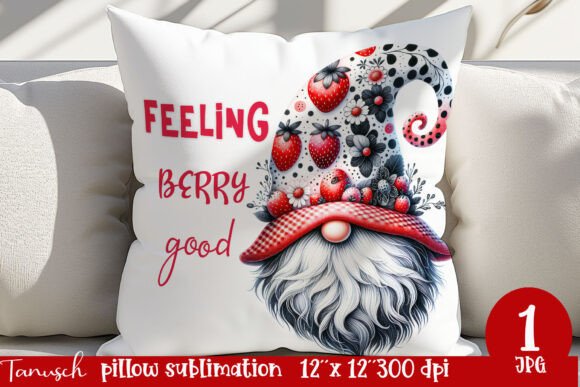
In an era dominated by flat design and minimalism, there is a growing demand for textures that feel tactile and authentic. A cute watercolor berries gnome pillow sublimation JPG seasonal decorative christmas holidays design represents more than just a holiday trend; it exemplifies the power of seasonal relevance in digital marketing and packaging design. Watercolor techniques introduce unpredictability and flow, breaking the monotony of vector-based precision. This contrast creates a dynamic visual hierarchy, guiding the viewer’s eye through the composition with a sense of movement and life.
For professionals working in editorial design or web design, incorporating these organic elements requires a balanced approach. The fluidity of watercolor must not compromise readability or UX design principles. Instead, these elements should act as supportive accents that enhance the overall modern aesthetics of the project. Whether used in social media graphics or UI design, the key is consistency. The color palette derived from natural subjects like strawberries and berries often features rich reds, soft pinks, and earthy greens, which can be extracted to create a cohesive color palette for broader branding applications.
Practical Applications for Creative Assets
High-resolution digital assets, such as a 12´´ × 12´´ file at 300 dpi, offer versatility across various mediums. Here is how designers can effectively utilize these creative assets:
- Merchandise and Print Design: Sublimation printing thrives on high-quality RGB files. A detailed watercolor design ensures that the final product, whether a pillow or apparel, retains its vibrancy and detail without pixelation.
- Social Media Content: Seasonal designs drive engagement. Using thematic elements like holiday gnomes or fresh berries can align content with current trends, boosting visibility in digital marketing campaigns.
- Packaging Design: For food or lifestyle brands, organic illustrations communicate freshness and quality. A strawberry motif can subtly suggest natural ingredients, enhancing consumer trust.
- Web and UI Elements: Soft watercolor backgrounds can reduce visual fatigue in UX design, providing a calming backdrop for interactive elements while maintaining a professional presentation.
Selecting and Evaluating Design Elements
When choosing assets for your design workflow, consider scalability and compatibility. A high-resolution JPG allows for resizing without significant quality loss, which is crucial for adapting designs from small social icons to large-format prints. Evaluate the typography that pairs well with watercolor elements. Serif fonts often complement the traditional feel of watercolor, while clean sans-serifs can create a contemporary contrast. Ensure that the logo design or primary brand marks remain distinct and not overwhelmed by the textured background.
Furthermore, audience expectations play a vital role. A cute and whimsical style may resonate strongly with lifestyle, parenting, or holiday-focused markets but might require refinement for corporate branding. Always align the visual tone with the brand’s core values. The goal is to achieve a harmonious blend where the design inspiration enhances the message rather than distracting from it.
Ultimately, the integration of thoughtful visual design elements like watercolor berries transforms standard communications into engaging narratives. By prioritizing high-quality creative projects and adhering to principles of visual hierarchy and consistency, designers can create impactful work that stands out in a crowded marketplace. Thank you for your interest visiting my shop P.S. I love to read your reviews ..