Abstract Cut Ornament Laser Pattern Design: Elevating Spaces with Precision
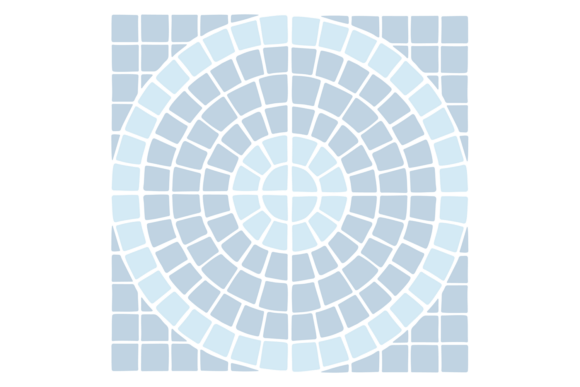
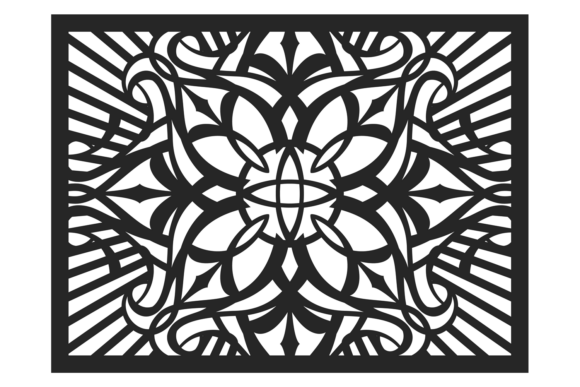
In the world of modern interior design and architectural detailing, the line between structural necessity and artistic expression is increasingly blurred. At the heart of this fusion lies the abstract cut ornament, a design element that relies on precision engineering to transform flat materials into dynamic, light-filtering surfaces. When we talk about an Abstract Cut Ornament. Laser Pattern. De, we are referring to a specific aesthetic approach where geometric or organic abstraction meets the high-precision capabilities of laser cutting technology. This isn't just about decoration; it is about manipulating space, light, and shadow to create environments that feel both contemporary and deeply textured.
For designers, architects, and DIY enthusiasts alike, understanding the potential of these patterns opens up a vast array of creative possibilities. Whether you are looking to divide a room without blocking light, add a focal point to a bland wall, or create intricate signage, the versatility of laser-cut decorative panels is unmatched. The availability of these designs in multiple formats—such as Vector illustration EPS, JPG, SVG, and transparent PNG—means that the barrier to entry has never been lower. You don’t need to be a master illustrator to utilize these assets; you just need a vision for how they will function in your space.
The Practical Power of Laser-Cut Decorative Panels
The primary appeal of abstract cut ornaments lies in their dual functionality. They serve as visual anchors while simultaneously solving practical spatial problems. Consider the open-plan living area, a staple in modern housing. While spacious, these areas often lack definition. A laser-cut decorative panel can act as a semi-transparent room divider. Unlike a solid wall, which blocks light and makes spaces feel smaller, an abstract pattern allows air and light to flow through while clearly demarcating zones. The "De" aspect of the design—often implying a Germanic influence on precision and minimalism—ensures that the patterns remain sophisticated rather than overly ornate or cluttered.
In commercial settings, such as cafes, retail stores, or office lobbies, these panels are invaluable for branding and atmosphere. Imagine a boutique hotel lobby where the reception desk is backed by a large-scale laser-cut panel. The interplay of light behind the abstract shapes creates a shifting ambiance throughout the day. It’s an installation that works hard, providing privacy for staff while maintaining an inviting openness for guests. The use of vector files like EPS and SVG allows fabricators to scale these designs to any size without losing resolution, ensuring that whether the panel is two feet wide or twenty feet wide, the edges remain crisp and clean.
Industries and Audiences Benefiting from Abstract Patterns
The utility of abstract cut ornaments extends far beyond residential interiors. Various industries leverage these designs for both aesthetic and functional gains.
- Interior Designers: For professionals, having access to high-quality transparent PNG and vector files means they can quickly mock up concepts for clients. They can overlay these patterns onto photos of existing spaces to demonstrate how light and shadow will interact, making the sales process more tangible and convincing.
- Architects: Facade design is another critical application. Large-scale laser-cut metal or composite panels can serve as sunscreens or brise-soleil. The abstract nature of the pattern ensures that the building maintains a modern aesthetic while reducing solar heat gain. The precision of the laser cut allows for complex geometries that would be impossible or prohibitively expensive to achieve with traditional manufacturing methods.
- Event Planners: Temporary installations benefit hugely from these lightweight yet impactful designs. A wedding backdrop or a corporate event stage can be transformed instantly with laser-cut panels. The ability to download and print or cut these designs on-demand allows for rapid customization based on theme or brand colors.
- Product Designers: Beyond architecture, these patterns find their way into furniture, lighting fixtures, and even jewelry. A lampshade made from laser-cut acrylic with an abstract pattern casts intricate shadows on the ceiling, turning a simple light source into a piece of art.
Navigating File Formats: EPS, SVG, JPG, and PNG
One of the most confusing aspects for newcomers to digital fabrication is choosing the right file format. Understanding the difference is crucial for achieving the desired result. When you purchase or download an Abstract Cut Ornament. Laser Pattern. De, you will typically encounter four main types.
Vector illustrations (EPS and SVG) are the gold standard for laser cutting. These files use mathematical paths to define shapes, meaning they can be scaled infinitely without pixelation. Laser cutting machines read these vectors to guide the laser head. If you are sending a design to a fabrication shop or using a desktop laser cutter, you must use EPS or SVG files. They ensure that every curve and angle is cut precisely as intended.
JPG and PNG files, on the other hand, are raster images. They are composed of pixels and are best used for visualization, web display, or printing on paper. A transparent PNG is particularly useful for designers who want to overlay the pattern onto other images in software like Photoshop. However, you cannot directly send a JPG to a laser cutter for precise vector cutting unless it is traced and converted, a process that often results in loss of detail. Always prioritize vector formats for fabrication purposes.
Material Considerations and Real-World Application
The beauty of an abstract cut ornament is heavily dependent on the material used. The same pattern can look drastically different when cut from wood versus metal or acrylic. Wood offers warmth and organic texture, making it ideal for residential spaces and rustic-modern aesthetics. The charred edges left by the laser on wood can add a desirable contrast, highlighting the intricacy of the design.
Metal, such as aluminum or steel, provides a sleek, industrial look. It is durable and weather-resistant, making it suitable for outdoor applications like garden screens or building facades. Acrylic and MDF are popular for indoor decorative panels due to their cost-effectiveness and ease of cleaning. Acrylic, in particular, can be backlit to create stunning glowing effects, enhancing the abstract nature of the pattern.
When planning your project, consider the thickness of the material. Thicker materials require more powerful lasers and may limit the minimum size of the cut details. Intricate abstract patterns with very fine lines may not survive the cutting process if the material is too thick or brittle. It is essential to review the design at a 1:1 scale to ensure that the negative space (the parts being cut out) is sufficient to maintain the structural integrity of the panel.
Strengths and Limitations to Keep in Mind
While laser-cut decorative panels offer immense creative freedom, there are practical limitations to consider. One major strength is customization. With digital files, you can easily modify colors, scales, and even combine different patterns. However, this flexibility can lead to "analysis paralysis." It is important to stick to a cohesive design language. An abstract pattern should complement, not compete with, the surrounding decor.
Another consideration is maintenance. Intricate patterns with many small cutouts can accumulate dust and debris, especially in outdoor settings. Choosing materials that are easy to wipe down or designing patterns with larger openings can mitigate this issue. Additionally, while laser cutting is precise, it is not instantaneous. Complex designs take longer to cut, which can increase production costs. Balancing visual complexity with fabrication efficiency is key to a successful project.
Ultimately, the Abstract Cut Ornament. Laser Pattern. De represents a convergence of art and technology. It allows us to bring high-end, custom architectural details into everyday spaces. By understanding the tools, materials, and applications available, you can harness this technology to create environments that are not only visually striking but also functionally superior. Whether you are dividing a room, shading a window, or simply adding a touch of elegance to a wall, the right laser-cut pattern can transform the ordinary into the extraordinary.