Tattoo-Style Heart Illustrations Guide
The human heart is perhaps the most universally recognized symbol of emotion, yet its representation in art varies wildly depending on intent and audience. When we talk about Tattoo-Style Heart Illustrations, we are bridging the gap between biological accuracy and symbolic expression. These designs do not merely depict an organ; they capture the raw, visceral energy associated with life, love, pain, and resilience. For designers, artists, and creators, understanding the nuance behind these illustrations is key to leveraging their power effectively.
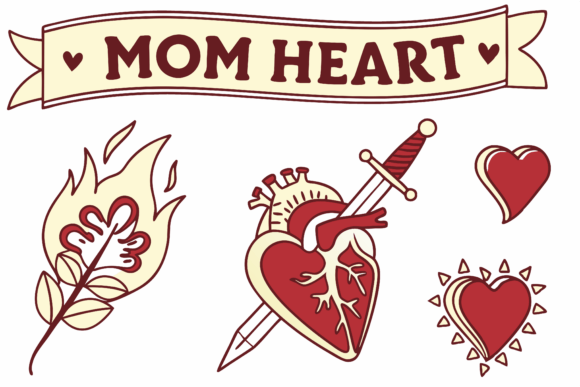
This collection focuses specifically on anatomical heart designs rendered with a bold, tattoo-inspired flair. Unlike soft, watercolor interpretations or minimalist line art, these illustrations rely on heavy shading, distinct linework, and classic motifs like roses and flames. The result is a visual language that speaks to permanence and intensity. Whether you are a seasoned graphic designer or a hobbyist looking to create a meaningful gift, recognizing the specific aesthetic and technical qualities of these files can significantly impact your final output.
Understanding the Aesthetic Appeal
At first glance, an anatomical heart might seem clinical. However, when filtered through the lens of traditional tattoo artistry, it becomes something entirely different. The Tattoo-Style Heart Illustrations collection emphasizes this transformation. By incorporating decorative elements such as thorny vines, blooming roses, or engulfing flames, the design moves beyond anatomy into the realm of storytelling. The bold lines and deep shading provide a sense of weight and dimension that flat vector graphics often lack.
This aesthetic appeals to those who value authenticity and edge. It is not designed for subtle background patterns but rather for statements. The intricate details invite closer inspection, rewarding the viewer with layers of texture and meaning. For anyone creating content that needs to evoke passion, strength, or even melancholy, this style offers a ready-made visual vocabulary that resonates deeply with modern audiences.
Perspectives for Different Creators
The utility of these illustrations changes depending on who is holding the digital brush. A one-size-fits-all approach rarely works in creative fields, so let us explore how different groups might evaluate and use these assets.
For Professional Designers and Freelancers
If you are a professional designer, your primary concerns are likely versatility, scalability, and commercial viability. You need assets that can withstand rigorous editing without losing quality. This is where the file formats included in the collection become critical. The SVG and EPS files allow you to manipulate anchor points, adjust curves, and resize the illustration for anything from a business card to a billboard without pixelation.
Professionals also value time efficiency. Starting an anatomical heart from scratch requires significant knowledge of both human anatomy and shading techniques. Having a high-quality base layer allows you to focus on customization rather than construction. You might integrate the heart into a larger branding package for a music festival, a tattoo parlor, or a fitness brand, knowing that the foundational art is already polished and precise.
For Apparel Entrepreneurs and Print-on-Demand Sellers
For those running small businesses or print-on-demand stores, the visual impact of a design determines its click-through rate. Tattoo-style art has a dedicated and passionate following. Using Anatomical Heart Designs with bold contrasts ensures that the image prints clearly on various fabrics, from dark hoodies to light t-shirts. The high-resolution PNG file with a white background simplifies the workflow, allowing for quick mockups and immediate uploads to marketplaces.
Entrepreneurs should consider the emotional connection their customers seek. Buyers of tattoo-inspired apparel often look for items that reflect their identity or values. A heart entwined with roses might appeal to a romantic demographic, while a heart surrounded by flames might attract those identifying with themes of rebirth or intensity. Understanding these nuances helps in targeting marketing efforts more effectively.
For Hobbyists and DIY Crafters
You do not need to be a professional artist to appreciate or use these illustrations. Hobbyists involved in paper crafting, scrapbooking, or digital journaling can benefit greatly from the pre-made nature of these files. The PNG format is particularly useful here, as it can be easily dragged and dropped into consumer-friendly design software.
Consider the creation of handmade greeting cards. A printed anatomical heart with a tattoo aesthetic can serve as a striking focal point for a birthday card for someone who loves alternative art, or a sympathy card that acknowledges the complexity of grief. The ease of use means you can produce high-quality, personalized items without needing advanced drawing skills.
For Educators and Content Creators
Educators in biology or art history might find these illustrations useful for engaging students. While not strictly medical diagrams, the anatomical correctness provides a starting point for discussions about heart structure, while the artistic style opens conversations about cultural symbols and the history of tattoo art. Similarly, bloggers and social media managers can use these images to break up text, create eye-catching headers, or illustrate posts about health, wellness, and emotional intelligence. The visual strength of the image helps stop the scroll in crowded digital feeds.
Technical Considerations and File Usage
To get the most out of Tattoo-Style Heart Illustrations, it is important to understand the strengths of each provided file type. Choosing the wrong format can lead to frustration and subpar results.
- SVG (Scalable Vector Graphics): Best for web use and cutting machines. If you are using a Cricut or Silhouette for vinyl decals or iron-ons, this is your go-to file. It allows the machine to read the lines precisely.
- EPS (Encapsulated PostScript): Ideal for professional printing and extensive editing in software like Adobe Illustrator. Use this if you plan to change colors, add textures, or combine the heart with other vector elements.
- PNG (Portable Network Graphics): Perfect for quick projects, digital presentations, and platforms that do not support vector files. The high resolution ensures clarity, but remember that it cannot be resized up without losing quality.
When working with these files, pay attention to the balance of negative space. Tattoo-style art relies heavily on contrast. If you are placing the heart on a dark background, ensure you invert colors or use the PNG with transparency if available, or carefully mask the white background. For light backgrounds, the bold black lines will stand out naturally, providing the intended edgy aesthetic.
Evaluating Fit for Your Project
Before downloading or purchasing, ask yourself what message you want to convey. Are you aiming for something soft and gentle? If so, this bold, anatomical style may not be the right fit. However, if your goal is to project strength, passion, realism, or a touch of rebellion, these illustrations are exceptionally well-suited.
Consider the longevity of the design. Trends in graphic design come and go, but the combination of anatomical accuracy and traditional tattoo motifs has remained relevant for decades. This timeless quality adds long-term value to your assets, whether you are building a personal portfolio or a commercial product line. The intricate details also allow for flexibility; you can choose to highlight specific parts of the illustration, such as the roses or the ventricles, depending on the narrative you wish to emphasize.
Ultimately, Tattoo-Style Heart Illustrations offer more than just a pretty picture. They provide a versatile, high-quality foundation for a wide range of creative endeavors. By understanding the technical specifications and the emotional weight of the imagery, you can make informed decisions that elevate your work. Whether you are designing a logo, printing a shirt, or crafting a heartfelt gift, these anatomical designs bring a level of depth and professionalism that resonates with viewers on a primal level.