Elevating Design with Minimalist Floral Illustrations
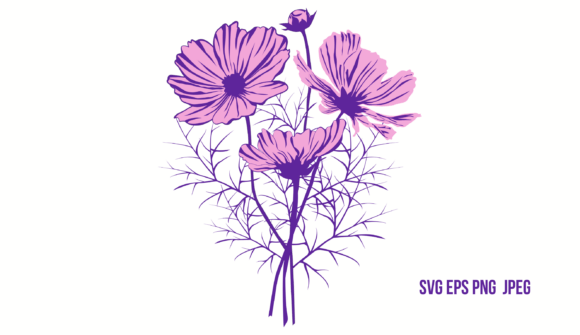
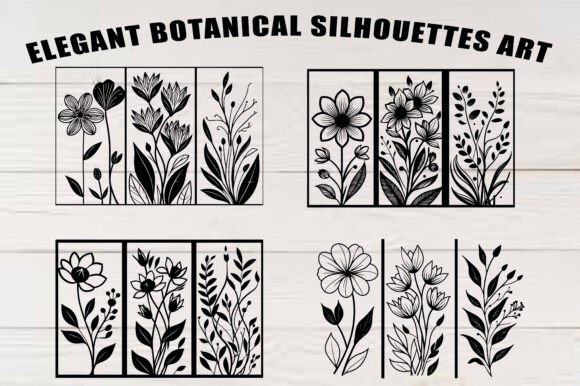
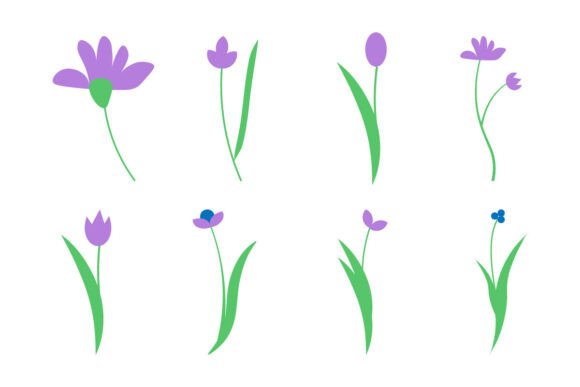
In the ever-evolving landscape of digital and print design, simplicity has emerged as a powerful tool for communication. Among the most sought-after visual assets today are Minimalist Floral Illustrations. These designs strip away the unnecessary complexity of traditional botanical art, focusing instead on clean lines, vibrant color palettes, and abstract forms. A typical collection might feature various abstract flowers rendered in soothing shades of purple and blue, anchored by fresh green stems and leaves. This specific aesthetic is not merely a trend; it is a functional design choice that bridges the gap between modern minimalism and organic warmth.
For designers, marketers, and content creators, understanding the utility and appeal of these illustrations is essential. They are versatile, scalable, and perfectly suited for a wide array of applications, from web interfaces to high-quality physical prints. By leveraging formats such as SVG, PNG, JPG, and scalable EPS, professionals can integrate these assets seamlessly into their workflows, ensuring crisp visuals across all mediums.
The Aesthetic Appeal of Abstract Botanicals
The charm of Minimalist Floral Illustrations lies in their ability to convey the essence of nature without the clutter. Unlike hyper-realistic paintings that demand close inspection to appreciate every petal and vein, abstract floral designs offer an immediate visual impact. The use of bold, flat colors—particularly the calming combination of purples, blues, and greens—creates a sense of tranquility and sophistication.
Purple and blue hues are often associated with creativity, calmness, and trust. When paired with the natural vitality of green stems, these colors create a balanced composition that feels both grounded and ethereal. This color theory application makes these illustrations particularly effective for brands looking to project reliability while maintaining a creative edge. The abstraction allows viewers to project their own interpretations onto the image, making the artwork more engaging and personally resonant.
Moreover, the "clean and modern" descriptor is not just marketing jargon; it reflects a deliberate design philosophy. By removing shadows, gradients, and intricate textures, these illustrations reduce cognitive load. In a world saturated with visual noise, a simple, colorful flower stands out because it offers a moment of visual rest. This clarity is crucial for effective communication, whether the goal is to decorate a website header or to enhance the layout of a corporate brochure.
Versatility Across Formats and Platforms
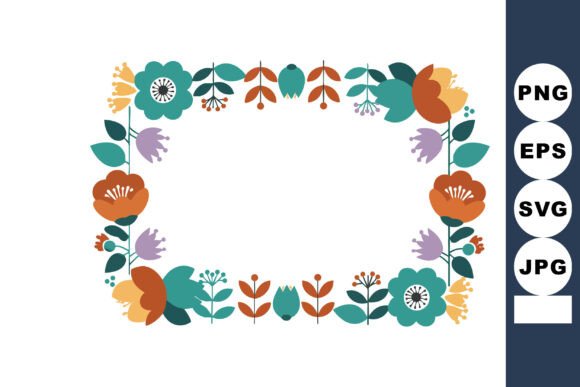
One of the primary advantages of investing in high-quality Minimalist Floral Illustrations is the flexibility offered by modern file formats. A comprehensive collection typically includes SVG, PNG, JPG, and EPS files, each serving a distinct purpose in the design ecosystem.
- SVG (Scalable Vector Graphics): Ideal for web design, SVGs allow illustrations to scale infinitely without losing quality. This is perfect for responsive websites where images must look sharp on both mobile phones and large desktop monitors. The code-based nature of SVGs also means they are lightweight, contributing to faster page load times—a critical factor for SEO and user experience.
- EPS (Encapsulated PostScript): For print professionals, EPS files are indispensable. As vector files, they can be resized to any dimension, from a small business card to a massive billboard, without pixelation. This scalability ensures that the clean lines of the abstract flowers remain crisp, preserving the integrity of the design regardless of the output size.
- PNG (Portable Network Graphics): PNGs support transparency, making them excellent for overlaying floral elements onto photographs, colored backgrounds, or complex layouts. They are widely used in social media graphics and digital presentations where quick integration is necessary.
- JPG (Joint Photographic Experts Group): While lacking transparency, JPGs are universally compatible and have smaller file sizes for photographic contexts. They are suitable for email newsletters, blog posts, and other digital platforms where universal accessibility is prioritized over transparency.
Having access to all these formats ensures that a single set of Minimalist Floral Illustrations can serve multiple departments within an organization. The marketing team can use PNGs for Instagram posts, the web development team can implement SVGs for the company homepage, and the print shop can utilize EPS files for annual reports. This cross-format compatibility maximizes the return on investment for design assets.
Practical Applications in Modern Workflows
The utility of these illustrations extends far beyond mere decoration. In contemporary graphic design projects, they serve functional roles that enhance usability and brand identity. Consider the following scenarios where abstract floral elements add significant value:
Brand Identity and Packaging
For businesses in the wellness, beauty, or lifestyle sectors, Minimalist Floral Illustrations can become a core part of the brand identity. The clean lines and modern aesthetic align well with brands that prioritize purity, sustainability, and elegance. On product packaging, these designs can differentiate a item on a crowded shelf. The abstract nature allows for unique pattern creation, turning a simple box into a piece of art that consumers want to keep and display.
Digital User Interfaces
In app and web design, heavy imagery can slow down performance and distract from core functionality. Abstract floral illustrations provide a lightweight alternative for empty states, onboarding screens, and section dividers. Their simple geometry integrates smoothly with UI components like buttons and cards, adding personality without compromising usability. The use of purple and blue tones can also guide user attention, leveraging color psychology to highlight key actions or information.
Editorial and Print Media
Magazines, journals, and books often use floral motifs to break up text-heavy pages. However, traditional clipart can look dated. Modern, abstract illustrations offer a fresh perspective, making layouts feel contemporary and curated. Whether used as chapter headers, background watermarks, or full-page spreads, these designs elevate the perceived quality of the publication. The scalability of EPS files ensures that even in high-resolution print runs, the edges of the leaves and petals remain sharp and professional.
Choosing the Right Illustrations for Your Project
When selecting Minimalist Floral Illustrations, several factors should guide your decision. First, consider the color palette's alignment with your existing brand guidelines. While purple and blue are versatile, ensure they complement your primary brand colors rather than clashing with them. If your brand uses warm tones, you might look for variations that incorporate complementary accents or stick to neutral greens.
Second, evaluate the level of abstraction. Some projects benefit from highly stylized, geometric flowers, while others may require a softer, more organic approach. The key is consistency. Mixing vastly different styles within a single project can create visual dissonance. Stick to a cohesive collection where the line weights, color saturation, and stylistic quirks are uniform.
Finally, verify the technical specifications. Ensure that the SVG and EPS files are properly optimized and layered. Well-organized vector files allow designers to easily recolor elements or adjust individual components, providing greater creative freedom. Poorly constructed files can hinder workflow efficiency, turning a simple customization task into a time-consuming chore.
The Enduring Relevance of Simple Design
Trends in design come and go, but the principle of simplicity remains timeless. Minimalist Floral Illustrations represent a convergence of artistic expression and functional design. They offer a way to incorporate the beauty of nature into modern digital and physical spaces without the baggage of traditional ornamentation.
As remote work and digital collaboration continue to shape our professional lives, the need for visually appealing yet efficient design assets grows. These illustrations meet that need by being easy to share, simple to implement, and universally appealing. Whether you are designing a new website for a startup in New Jersey or creating a global marketing campaign, the adaptability of these abstract floral designs ensures they remain a valuable resource in your creative toolkit.
By embracing the clean lines and vibrant colors of minimalist botany, designers can create experiences that are not only visually striking but also emotionally resonant. The result is a design language that speaks clearly, calms the mind, and elevates the brand message with understated elegance.