Elevate Designs with Heartfelt Ribbons
In the nuanced world of visual communication, small details often carry the most emotional weight. A Best Wishes Greeting Ribbon with Hearts is not merely a decorative clipart element; it is a strategic design asset that bridges the gap between formal branding and human connection. For graphic designers and creative directors, integrating such organic, soft-edged elements can transform a sterile layout into an inviting experience, particularly when targeting audiences who value warmth, empathy, and celebration.
The Power of Soft Aesthetics in Modern Branding
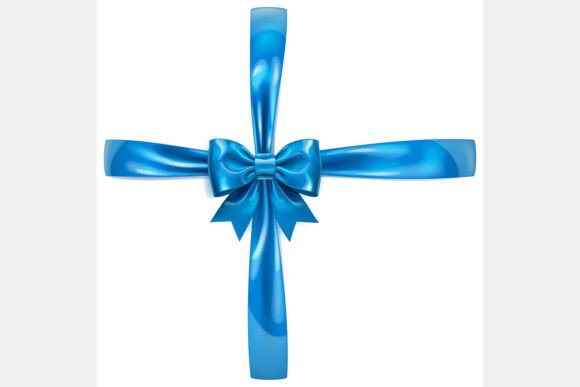
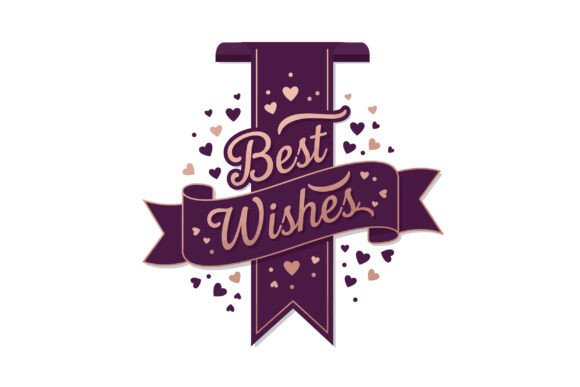
Modern aesthetics have shifted away from rigid, corporate minimalism toward more approachable, human-centric designs. The vector illustration of a decorative best wishes ribbon with scattered hearts in soft purple and pink tones creates a romantic mood that resonates deeply with contemporary consumer expectations. This specific color palette—blending calming lavenders with affectionate pinks—triggers psychological responses associated with care, nostalgia, and joy.
When incorporated into brand identity systems, these elements do more than fill space. They establish a tonal baseline. Whether you are working on packaging design for a boutique confectionery brand or crafting social media graphics for a wellness coach, the inclusion of heart-themed ribbons signals to the viewer that the brand values personal connection. This subtle cue enhances user engagement by making digital and physical touchpoints feel less transactional and more relational.
Practical Applications Across Design Disciplines
Versatility is the hallmark of high-quality creative assets. A well-crafted ribbon vector can be scaled infinitely without losing resolution, making it indispensable across various mediums. Here is how designers can leverage this asset effectively:
- Digital Marketing and Social Media: Use the ribbon as a frame for quotes or announcements. The soft purple tones provide excellent contrast for white or dark gray typography, ensuring readability while maintaining visual interest.
- Packaging Design: In print design, these vectors can be embossed or foil-stamped to add tactile luxury. The heart motifs serve as subtle pattern repeats that enhance the unboxing experience.
- UI and Web Design: Integrate the ribbon into landing pages for special occasions, such as Valentine’s Day promotions or anniversary sales. It acts as a visual anchor that guides the eye toward call-to-action buttons.
- Editorial Design: Break up text-heavy layouts in magazines or newsletters with these decorative dividers. They provide a breathing room for the reader, improving the overall flow and visual hierarchy.
Ensuring Visual Harmony and Professional Presentation
While the asset itself is charming, its effectiveness depends entirely on execution. Poor integration can make a design look cluttered or amateurish. To maintain a professional presentation, consider the following principles of graphic design:
First, respect the color palette. If your primary brand colors are bold and saturated, use the soft purple and pink ribbon as an accent rather than a dominant feature. This prevents visual dissonance and ensures the element complements rather than competes with your core logo design. Second, pay attention to typography. Pair the organic curves of the ribbon with clean, sans-serif fonts for a modern look, or elegant serifs for a classic, romantic feel. The goal is balance.
Scalability is another critical factor. Since this is a vector illustration, ensure you are using the file format that preserves editability, such as SVG or AI. This allows you to adjust the stroke weights or recolor the hearts to match specific campaign needs without pixelation. This flexibility is crucial for maintaining consistency across digital marketing channels and print design materials.
Enhancing User Experience Through Emotional Design
UX design is not just about functionality; it is about feeling. Elements like the Best Wishes Greeting Ribbon with Hearts contribute to the emotional layer of user experience. When a user encounters a thoughtful, aesthetically pleasing detail, their perception of the brand’s quality increases. This is particularly effective in industries such as hospitality, healthcare, and e-commerce, where trust and comfort are paramount.
By thoughtfully selecting creative assets that align with your design goals, you create a cohesive narrative. The ribbon becomes part of a larger story—one that speaks to care, celebration, and attention to detail. This alignment strengthens brand identity and fosters loyalty.
Ultimately, the difference between a good design and a great one often lies in the details. Incorporating high-quality, emotionally resonant vectors like decorative ribbons allows designers to elevate their work from mere information delivery to meaningful communication. By prioritizing visual design integrity and understanding the psychological impact of color and form, creators can produce work that not only looks beautiful but also performs effectively in achieving business objectives.