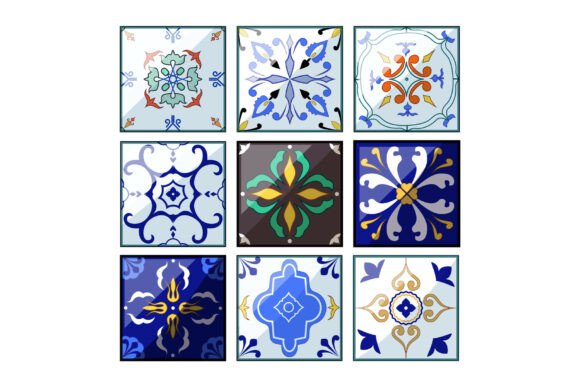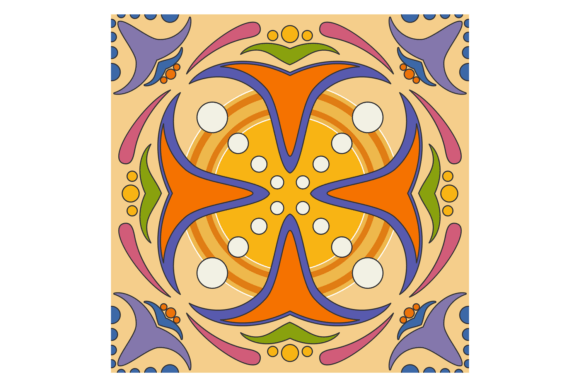
Colorful Tile Pattern. Square Ceramic De: A Strategic Asset for Design and Workflow
In the modern digital landscape, visual assets are not merely decorative; they are functional components of a broader communication strategy. The Colorful Tile Pattern. Square Ceramic De represents a specific category of design resources that bridges the gap between traditional aesthetic appeal and contemporary digital utility. For professionals ranging from graphic designers to small business owners, understanding how to integrate this type of asset into existing workflows is essential for maintaining consistency and efficiency. This article explores the practical application of square ceramic decorative ornaments, focusing on their vector illustration formats—EPS, JPG, and SVG—and how they can be leveraged across various projects.
Understanding the Asset in a Professional Context
At its core, the Colorful Tile Pattern. Square Ceramic De is a digital representation of a physical material. It mimics the intricate, often hand-painted qualities of ceramic tiles, characterized by geometric precision and vibrant color palettes. However, when we discuss this asset in a professional setting, we are not talking about physical installation. We are discussing a versatile graphical element that can be scaled, manipulated, and repurposed.
The "Square Ceramic" aspect implies a modular structure. This modularity is crucial for workflow integration. Unlike free-form illustrations that may require complex masking or cropping, square tiles fit naturally into grid-based layouts. This makes them ideal for backgrounds, UI elements, packaging designs, and textile prints. The "Colorful" descriptor indicates high visual impact, which can be used to draw attention or establish a brand’s energetic tone. When you acquire a vector illustration of this pattern, you are acquiring a tool that can adapt to multiple resolutions and mediums without losing quality.
Format Selection: EPS, JPG, and SVG in Your Workflow
One of the most critical decisions in implementing any digital asset is choosing the correct file format. The Colorful Tile Pattern. Square Ceramic De is typically available in three primary formats: EPS, JPG, and SVG. Each serves a distinct purpose in the production pipeline.
- SVG (Scalable Vector Graphics): This is the preferred format for web development and responsive design. Because SVGs are code-based, they remain crisp at any size and have small file sizes, contributing to faster load times. For marketers and web designers, using the SVG version of the tile pattern ensures that the visual integrity is maintained across mobile devices and high-resolution screens.
- EPS (Encapsulated PostScript): This format is the standard for print production and professional graphic design software like Adobe Illustrator. If you are preparing materials for large-format printing, such as banners or trade show displays, the EPS file allows for unlimited scaling and easy editing of individual color layers. It is essential for pre-press workflows where color separation and precision are paramount.
- JPG (Joint Photographic Experts Group): While less flexible than vector formats, JPGs are universally compatible and suitable for quick previews, social media posts, or internal presentations. They are raster images, meaning they have a fixed resolution. Use JPGs when you need a static, ready-to-use image for digital communication where editing is not required.
Selecting the right format early in the project prevents bottlenecks later. For instance, attempting to upscale a JPG for a billboard will result in pixelation, whereas starting with an EPS or SVG ensures quality control from conception to execution.
Integration into Creative and Business Processes
The utility of the Colorful Tile Pattern. Square Ceramic De extends beyond simple decoration. It interacts with various stages of a project, from initial brainstorming to final delivery. Here is how this asset fits into real-world workflows.
Brand Identity and Marketing Materials
For entrepreneurs and marketers, consistency is key. A colorful tile pattern can serve as a secondary brand element. It can be used subtly in email newsletters, business card backs, or website footers to reinforce brand recognition without overwhelming the primary message. By incorporating the pattern into your brand guidelines, you create a cohesive visual language. The square nature of the tile allows for easy repetition, creating a seamless background that can be tiled infinitely across digital platforms.
Product Design and Packaging
In product development, particularly for home goods, textiles, or stationery, this pattern can be the primary design feature. Designers can use the vector files to adjust colors to match seasonal trends or specific product lines. The ability to edit the vector paths means that you can isolate specific elements of the ceramic design to create variations. This flexibility reduces the time spent on creating new designs from scratch, allowing for rapid prototyping and iteration.
Web and App Interface Design
UI/UX designers can utilize the SVG format to add texture to flat design interfaces. A subtle tile pattern can break up large white spaces, adding depth and interest to landing pages or app backgrounds. However, it is crucial to manage opacity and contrast to ensure readability. The pattern should support the content, not compete with it. Testing different color overlays and transparency levels is a necessary step in the implementation process to maintain accessibility standards.
Practical Implementation Tips for Efficiency
To maximize the value of the Colorful Tile Pattern. Square Ceramic De, consider the following practical tips for organization and execution.
- Standardize Your Library: Store your vector assets in a centralized digital asset management system. Tag files with relevant keywords such as "pattern," "ceramic," "geometric," and "colorful." This ensures that team members can quickly locate the asset when needed, reducing search time and improving overall productivity.
- Create Presets: If you frequently use this pattern, create templates or presets in your design software. For example, save a layered Photoshop or Illustrator file with the pattern already masked and colored according to your brand palette. This allows for quick deployment in urgent projects.
- Check Licensing and Usage Rights: Before integrating any asset into a commercial project, verify the licensing terms. Ensure that the vector illustration allows for commercial use, modification, and redistribution if necessary. This step is vital for legal compliance and risk management.
- Optimize for Web: When using the SVG or JPG versions online, compress the files without sacrificing quality. Tools like SVGO for vectors or image optimizers for JPGs can reduce file size, improving page load speeds and user experience.
Quality Control and Consistency
Maintaining quality across different mediums is a common challenge. The vector nature of the Colorful Tile Pattern. Square Ceramic De helps mitigate this issue, but human error can still occur. Always proof your designs in the final output format. For print, request a physical proof to check color accuracy, as screen colors often differ from printed ink. For digital, test the pattern on multiple devices to ensure it renders correctly.
Consistency also involves color management. Ensure that your design environment is calibrated correctly. If you are working in a team, share color profiles and style guides to ensure that everyone is using the same color values for the tile pattern. This prevents discrepancies between different marketing materials or product batches.
Long-Term Value and Adaptability
Investing in high-quality vector assets like the Colorful Tile Pattern. Square Ceramic De offers long-term value. Unlike trend-specific illustrations that may become outdated quickly, geometric tile patterns have a timeless quality. They can be adapted to fit evolving design trends by simply adjusting the color palette or scale. This adaptability makes them a sustainable choice for businesses looking to build a lasting visual identity.
Furthermore, these assets can be repurposed across different channels. A pattern designed for a website background can be adapted for social media graphics, presentation slides, or even physical merchandise. This cross-channel usability maximizes the return on investment for the asset acquisition.
Conclusion
The Colorful Tile Pattern. Square Ceramic De is more than just a decorative image; it is a versatile tool that can enhance various aspects of your creative and business workflows. By understanding the strengths of different file formats—EPS, JPG, and SVG—and integrating the asset strategically into your processes, you can improve efficiency, maintain consistency, and elevate the visual quality of your projects. Whether you are a designer, marketer, or entrepreneur, treating digital assets with the same rigor as other business resources will yield better outcomes and a more professional final product. Focus on preparation, compatibility, and organized implementation to make the most of this valuable design resource.